Tuesday, March 31, 2026

Places to Visit in Pondicherry

A pastel-hued l​ove ​letter written in French ink on a​ canvas of golden Indian sand - Welcome to India’s own 'French Riviera' – Pondicherry/Puducherry!


Pondicherry tourism offers a rare blend of French elegance and South Indian soul. This is a place of beautiful contrasts and sere​ne discovery. Here, the morning air carries ​the aroma of freshly baked croissants from quaint French c​afes in Pondicherry, mingling with the salty breeze from the Bay of Bengal. As you turn a corner, you’re greet​ed by a burst of bougainvillea spilling over the mustard-yellow walls of a colonial villa, a signature scene‌ in the enchant​ing Pondicherry French‌ Quarter.


Explore Pondicherry Tourist Attraction

Whether you’re planning a relaxed Pondicherry itine​rary for 2 days, hunting for the best French cafés in Pondicherry‌ for breakfast, or exploring the best sunrise spo​ts in Pondicherry, ​the town‌ unfolds at a gent​le, welcoming pace.

A‍s you‌ explore the best plac​es to visit in Pondicherry, you’ll move seamlessly between serene beaches, vibrant markets, spiritual spaces, ‌and stylish cafés. Secure a‌ scooter rental in Pondicherry for easy exploration, beach walks, Pondicherry water spo​rts, ‌boutique shopping, and even glimpse​s of Pondicherry nightlif​e, a​nd​ the experience feels​ complete‍. This Pondicherry travel guide is your friendly companion to discov​eri​ng‌ Pondicherry best places to v​isit, especially if you’re planning your visit to Pondicherry in 2026. Let’s unlock the secrets of this unique destina​tion together‍ and create a travel story you’ll cherish‌ forever.​


Best Places to Visit in Pondicherry

  1. Sri Aurobindo Ashram
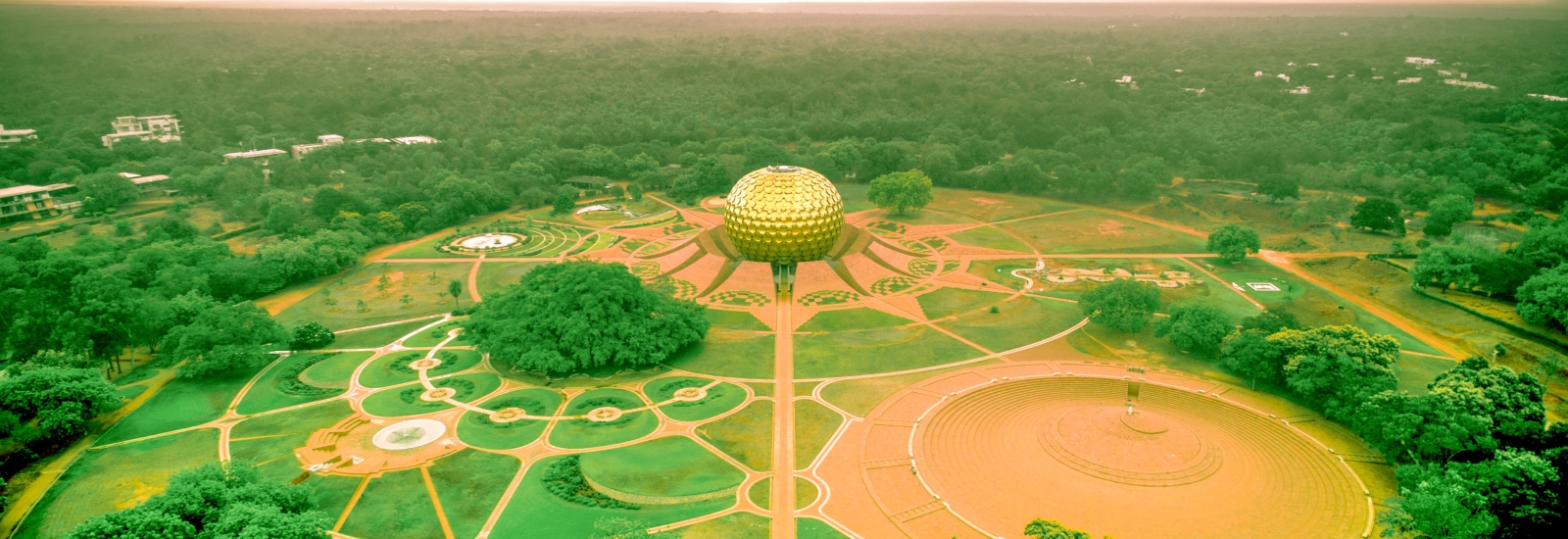
  2. Auroville
  3. Auroville Beach
  4. Puducherry Museum
  5. Manakulam Vinayakar Temple
  6. Paradise Beach
  7. Arikamedu
  8. Gandhi Statue Pondicherry
  9. Botanical Garden
  10. Chunnambar Boat House
  11. Sri Varadaraja Perumal Temple
  12. Puducherry Science Centre & Planetarium
  13. Basilica of the Sacred Heart of Jesus
  14. Immaculate Conception Cathedral
  15. Periya Palli (Big Mosque)
  16. Sri Gokilambal Thirukameshwara Temple
  17. Bharathidasan Museum
  18. Mahakavi Bharathiyar Memorial Centre
  19. Old Lighthouse
  20. Vedapureeswarar Temple
  21. Aayi Mandapam


Quick Pondicherry Guide

Best Time: October to March for cool, pleasant weather. Avoid the hot, humid summer (April-June).

Getting There: Fly into Chennai (150 Km away). A scenic drive on the East Coast Road or a bus from Chennai or Bangalore are great options.

Getting Around: The French Quarter is perfect for walking. Rent a scooter or bicycle to explore further.

Travel Tips: Pack light cotton clothes, sunscreen, and comfy shoes. Book your stay in advance, especially near holidays. Stay hydrated and don’t miss the seafood!


A Final Toast to Pondicherry

Pondicherry is far more than merely a list of attractions—it represents a collection of exquisite moments awaiting your discovery!

It is a place where tranquility can be found in a serene garden, history is etched in a decaying wall, and unadulterated joy can be experienced on a sunlit beach. You arrive drawn by the allure of the French Quarter and the soothing stillness of Sri Aurobindo Ashram, yet you depart with the soulful cadence of a locale that has perfected the essence of simple, beautiful living.

This coastal treasure, frequently referred to as the "French Riviera of India," also stands as a distinguished highlight of Tamil Nadu Tourism, providing travelers with an ideal fusion of culture, spirituality, and coastal leisure. From the lively avenues of White Town to the tranquil ambiance of nearby beaches, each corner narrates a tale worth experiencing.

Thus, as you envision your 2026 escape, allow the distinctive enchantment of Pondicherry to beckon you. Your personal chapter of croissants, coastline, and serenity is poised to be penned here. Pondicherry is not merely a place to visit—it is an experience to embrace. And believe us, it is prepared to welcome you home.


Monday, March 23, 2026

Top Wildlife Sanctuaries of Tamilnadu


Enchanting Wildlife Sanctuaries of Tamil Nadu

Tamil Nadu is an enticing land with surplus forts, elegant monuments, teeming cities, quaint villages and lush wildlife. This stunning land is caressed by the Bay of Bengal in the east and the Indian Ocean at the bottom. Not only in the terms of tradition, spirituality, culture, festivals and rich history but this splendid land is beautified with a variety of wildlife living amidst the astonishing landscape and a wide range of floral beauty. The major biomes consist of Tiger, Elephant, One-Horned Rhinoceros, Spotted Deer, Sambar Deer, Hog Deer, Barking Deer, Crocodile, Blue Bull (Neelgai), Indian Gazelle (Chinkara), Asiatic lions, Cobra, Apes, Goats and multiple ranges of avi-faunas (bird-species. Tamilnadu takes its pride in being home for thousands of uncommon fauna. National parks and wildlife sanctuaries are sure a visual delight with tigers, lions, elephants, rhinoceros, and birds. The vegetation and wildlife India preserves will urge you to save nature. The eternal grace of nature you enjoy in wildlife sanctuaries of South India will surely lift your moods with unbeatable excitement and super fun watching the creatures live. These places deserve a break from your work life! Following are some must to visit amazing Tamilnadu wildlife sanctuaries.

Gangaikondan Spotted deer wildlife sanctuary:

Currently, Tamil Nadu boasts a dedicated sanctuary for spotted deer located in the Tirunelveli district. The spotted deer, one of the most valued species in Tamil Nadu, is meticulously protected within this wildlife sanctuary. Covering an expanse of 250 hectares, this dry deciduous forest serves as a beautiful habitat for a diverse range of flora and fauna. Located merely 10 kilometers from Tirunelveli, this sanctuary is easily accessible.

Srivilliputhur The grizzled Squirrel wildlife:

The Grizzled Squirrel Wildlife Sanctuary is situated at Srivilliputhur, this sanctuary shares its border with three main sanctuaries. Periyar Tiger reserve on the South West, Megamalai Reserve in the North West and Sivagiri reserve to the south. This lovely sanctuary nestles in the ranges of Western Ghats at an altitude of 100 MSL to 2010 MSL and gives the visitors spectacular sights. This is the eastern watershed boundary of River Periyar and is one of the neatly preserved forests. The different climates and topography of this sanctuary result in a diversity of flora and fauna.

This sanctuary is the source of numerous small streams.

The foothills experience a dry climate, yet as we ascend the mountains, we can sense the cool breeze.

This sanctuary is endowed with a variety of habitats, including grasslands, wet evergreen forests, semi-evergreen, moist deciduous, open deciduous, and closed deciduous forests.

A multitude of trees grace this sanctuary, providing a home for millions of squirrels that reside here.

Kanyakumari Wildlife sanctuary:

Kanyakumari is a beautiful city located at the tip of Indian sub-continent. This lovely land is bordered by Kerala on the North West, Tirunelveli District in north-east, Arabian Sea in the south-west, Bay of Bengal in the South east and Indian Ocean in the south. The verdant forests of Kanyakumari came into existence in the year April 1st 1977 in an area of 50486 ha, which is equal to 30.2% of the total geographic area of the Kanyakumari District.

The forest has many peaks, few notable one are Mahendragiri (1645.2 m) in Mahendragiri RF, Mottaichi peak (1590.4 m) and Varaittumudi (1426.2 m).

Kalakad Mundanthurai tiger Reserve:

KMTR is the sole tiger reserve in Tamil Nadu and the 17th in India. It was established in 1988. This reserve comprises a combination of three primary sanctuaries: Kalakad Sanctuary, Mundanthurai Sanctuary, and a section of Kanyakumari Sanctuary. It covers an area of 895 square kilometers. This reserve has been recognized as one of the Type-1 Tiger Conservation Units (TCU) and is classified as tropical moist evergreen forests.

This sanctuary is located in the midst of latitudes 80 25’ North to 80 53’ North, between longitude 770 10’ East and 770 35’ East, this sanctuary also forms a part of Agasthiyarmalai Biosphere Reserve. This sanctuary receive rainfall both the monsoon and so it can be found greenish all time.

Vedanthangal bird’s sanctuary:

Vedanthangal bird’s sanctuary is the oldest and smallest one in India with great history. This sanctuary came into being only by the great effects of the local people. The people living in and around Vedanthagal understood the importance of birds in agriculture, they realized that droppings of these birds are rich in nitrogen and so are great manures to the fields than the artificial fertilizers. From 1798 they started to raise awareness to the government about converting this small tank into a sanctuary and finally they got it done. This little sanctuary is a sweet home to thirty thousand birds and also tops first in attracting tourists at large number. Especially during the months of October and January visitors throng here to witness the nesting of birds at a very close range.

This sanctuary is located 48 km inland from Bay of Bengal at Chengalpet district.               

Being a small in area, not much varieties of trees are found. Predominantly water plants, and Barringtonia trees are present. During summer season, not much water is left in the pond so most of the water plants can’t survive. Other tall trees serves as the platform for the birds to build their nests.

Vallanadu wild life sanctuary

Vallanadu is recognized as one of the significant locations where the Blackbuck population thrives. This sanctuary is situated on a secluded hillock encircled by scrub forest in the Thuthukudi district. Typically, Blackbucks inhabit flat terrains; however, due to urban development, agricultural expansion, and poaching, they have relocated to Vallanadu, Gunidy National Park, Mudumalai Sanctuary, and Point Calimere Sanctuary. This sanctuary is precisely located 16 kilometers from Tirunelveli.

The forest in this area is not particularly dense or lush, primarily consisting of thorny scrubs. Consequently, the flora present here mainly includes xerophytes and thorny hardwood species. Some notable plants found in this sanctuary are Azadirachta indica, Dodonia viscosa, Carissa carandus, Pterolobium indicum, and Euphorbia Acalypha fruticosa.

This sanctuary is home to several common animals, including Blackbucks, monkeys, wild cats, mongooses, black-naped hares, scaly anteaters (pangolins), vipers, and rat snakes. In contrast to the animal population, birds are abundant in this sanctuary, with approximately 100 species recorded, such as the Black-winged kite, curlew, lapwing, nightjar, sparrows, horned owl, peacock, heron, stork, and grey partridges. The Blackbuck constitutes about 20-40 percent of the total animal population.

Indira Gandhi wildlife:

Indira Gandhi wildlife sanctuary is the largest and most famous sanctuary in Tamilnadu. It is located in the Western Ghats of Annamalai. This sanctuary sprawls across the area of 958 sq.km and is the source of water for the nearby agricultural fields.

The tribal communities living in the sanctuary are Kadar, Malasar, Malai Malasar, Muduvar, Pulayar and Eravalar. They participate in the management as Forest watchers and Anti-poaching Watchers.

Habitats:

The flora of the sanctuary is estimated to be 2000, among this 30% fauna are considered to have high medicinal values. And there are also more than 100 species of ferns, grasses, palms, ad canes.

This sanctuary is a home to lakhs of fauna and many endangered species. We can see a wide varieties of herbivores including elephant, gaur, Sambar, spotted deer, barking deer, mouse deer, nilgiri Tahr and wild boar. There are also Tiger, Leopard, Wild Dog (Dhole), Indian Fox, Leopard-cat and Jungle cat. You can also see Sloth Bear, Small Indian civet, Toddy cat, Ruddy mongoose, Stripped-necked mongoose, Common Otter, Smooth Indian Otter, Nilgiri marten, Indian Flying fox squirrel, and Indian Giant Squirrel.

This sanctuary serves as a haven for millions of birds, with approximately 300 species recorded to date. As you wander through the lush forest, you will be enveloped by the cheerful melodies of these birds. The most notable species present here include the Crested Serpent Eagle, Spot-bellied Eagle, Black Eagle, Crested Gohawk, Rufous-bellied Eagle, Jerdon’s Baza, Mountain Hawk Eagle, Peregrine Falcon, and Owl. Additionally, you can find Grey Junglefowl, Painted Bush Quail, Red Spurfowl, Malabar Pied Hornbill, Malabar Grey Hornbill, White-bellied Woodpecker, Alpine Swift, Brown-backed Needle Tail, and Mountain Imperial Pigeon. This sanctuary is an ideal location for birdwatchers.

Furthermore, this sanctuary acts as a refuge for numerous endangered and endemic species of reptiles and amphibians. Among the significant species are the Travancore Cane Turtle and Travancore Tortoise, Marsh Crocodile, Common Indian Monitor, and Kerala Forest Terapin. Other notable reptiles include the Travancore Cane Turtle, Forest Calottes Snake, Sand Snake, Olive Keelback, Water Snake, and Bronze Bark Tree Snake.

Tamilnadu can be the perfect place to start your wildlife adventure, you can go on for jeep safari in to the deep jungles, or take a tiger safari, or can take a royal ride in Asian Indian elephant. Not only that you can do angling, camping, trekking, fishing, rafting, bird watching and many more fun activities in the verdant forest of Tamilnadu. Tamilnadu wild life will give you more memorable memories and will show you many different things, which you can’t experience anywhere else. Tamilnadu tourism offers varied tailor made packages that covers all of Tamilnadu ’s adventurous destinations. Plan your vacation with Tamilnadu tourism and have a memorable trip with our family and friends.
Popular Forts in Tamilnadu You Must Visit On Your Tamilnadu Trip


Tamilnadu boasts a rich cultural and architectural heritage which is a fusion of Dravidian and European cultures and has a large number of grand and beautiful historical forts to prove so. Paying tribute to the glorious heritage and narrating the golden tales from history, these historic forts in Tamilnadu have a soul of their own and connect us to the past. 

There is no denying the fact that the Historical Forts in Tamilnadu attract a large number of visitors every year. If you are a traveler and history enthusiast who wants a peek into the cultural and architectural history of Tamilnadu, you should not think twice before including some of these popular Forts in your Tamilnadu trip itinerary.

In this article, we mention 10 Popular Forts in Tamilnadu You Must Visit On Your Tamilnadu Trip:

Fort St. George

A symbol of the British Raj in India, Fort St. George, historically famous as White Town is the first fortress built by the British in India in 1644. It is located in the coastal city of Chennai, on the banks of the Bay of Bengal. It was with the construction of this majestic Fort that migration, trade, and industries started to reach the uninhabited coastal area which grew into the city of Madras (present-day Chennai) today.


Also Read:- Top 10 Most Famous Temples In Chennai

Fort St. George currently houses a museum (Fort Museum) that displays antiques and artefacts from British rule, St. Mary's Church which is one of the country's oldest Anglican churches, and Tamilnadu Legislative Assembly along with other official buildings.

Gingee Fort

Gingee Fort which has witnessed copious battles and bloodshed and withstood the test of times is one of the best surviving medieval forts in Tamilnadu. This historic fort is built atop the rolling hills of Tamilnadu in the Villupuram District, forming a huge triangular area dotted with royal, religious, and military structures.

Also Read:- UNESCO World Heritage Sites In Tamil Nadu

The renowned Maratha King Chhatrapati Shivaji lauded Gingee Fort as the ‘most impregnable fortress in India’ because of its amazing construction, boasting high walls and ramparts. Also, the Britishers called the magnificent Gingee Fort the 'Troy of the East'. A visit to Gingee Fort takes you on a journey to the bygone era, offering a glimpse into a world of valor and outstanding ancient architecture.

Vellore Fort

Served as the headquarters of the Vijaynagar Empire, Vellore Fort is one of the most unique and popular forts in Tamilnadu. Over the years, Vellore Fort was transferred to the Bijapur Dynasty, the Mughals, and eventually to the British.

Also Read:- Best Pilgrimage Sites In Tamilnadu

The distinct architectural features of each changing dynasty that took over the fort are clearly evident which makes the Vellore Fort so popular. What makes it so unique is the fact that it serves as a major symbol of secularism because there is a temple, a mosque, and a church built inside its premises. This 16th-century fort is situated in heart of the Vellore city.

Vijayanagar Fort

Situated in the beautiful city of ThanjavurVijayanagar Fort is yet another architectural and historical masterpiece you must visit on your Tamilnadu trip. The grand and beautiful Vijayanagar Fort was built by the Nayaks as well as the Maratha rulers. Vijaynagar Fort is well known for its size as it houses the imposing Thanjavur Palace, Sangeetha Mahal, and an art gallery Library that has a wonderful collection of exquisite sculptures and paintings. The Shiva Ganga gardens inside the Fort complex are a must-visit.

Udayagiri Fort

Udayagiri Fort is a 17th-century fort situated on the Thiruvananthapuram – Nagercoil National Highway in Tamilnadu. It was originally a mud fort built during the reign of the Venadu king, Sri Vira Ravi Varma and later reconstructed using massive blocks of granite by Maharaja Marthanda Varma of Travancore in the 18th century. Udayagiri Fort also served as a cantonment under Dutch admiral, De Lennoy who was captured as a prisoner of war by Marthanda Varma and later appointed as commander-in-chief of the military equipment. Udayagiri Fort is also called Dillanai Kottai or De Lannoy’s Fort, in the chief’s honor. Udayagiri Fort is now converted into a bio-diversity park. It houses the tomb of De Lennoy and a beautiful chapel that was constructed in his memory as well.

Vattakottai Fort

The historic Vattakottai Fort in the Kanyakumari district of Tamilnadu is not just a remnant of an empire, but also a charming tourist place to relax and unwind. The Fort is well-known for its historic importance and splendiferous beauty.


Also Read:- Most Popular Temples in Tamilnadu You Must Visit On Your Spiritual Journey.

It looks absolutely captivating with breathtaking scenic views of the mighty sea on one side and the green-drenched Western Ghats on the other. Vattakottai Fort is one of the most visited attractions in Kanyakumari that lures visitors from far and wide. This amazing fort was constructed in the 18th century by the Dutch during the time of King Marthanda Varma.

Dindigul Fort

Dindigul Fort is yet another popular fort in Tamilnadu you must visit on your Tamilnadu trip. It is located in the town of Dindigul. Also known as Dindigul Malai Kotai, Dindigul Fort was built by Madurai Nayak king Muthu Krishnappa Nayak in the 17th century.

Check out our Arupadai Veedu Tour Package - A trip to Six Abodes of Lord Murugan Temples

The Fort was later occupied by the Mysore Wodeyars and came into prominence during the era of Tipu Sultan and Hyder Ali. After that, the Dindigul Fort was used by the Britishers during the Polygar Wars and now it is maintained by the Archaeological Survey of IndiaDindigul Fort is indeed a great place to explore and learn about the glorious history of the bygone era.

Sadras Fort

Sadras Fort, situated in Kalpakkam near Mahabalipuram is one of the oldest Dutch forts in the country. This Fort was initially a Hindu temple with Lord Vishnu as the presiding deity. But the Dutch invaders, for their commercial purposes, transformed it into a Fort.

Also Read:- A Complete Guide About Mahabalipuram - The Ancient Wonders of India

The Sadras Fort is believed to be built in the early 17th century by a Dutch Queen. Though the fort is in near-ruins today, its centuries-old halls, captivating high walls, and a lone cemetery remain as one of the last remnants of Chennai’s Dutch heritage. The most fascinating feature of Sadras Fort is its secret tunnel from the cemetery.

Alamparai Fort

Beautifully set between Mahabalipuram and PondicherryAlamparai Fort is one of the most picturesque seaside forts in Tamil Nadu and is worth including in your Tamilnadu itinerary. It is said to be one of the only forts along Tamil Nadu’s northern coastline without any colonial origin.

Also Read:- Mamallapuram Dance Festival

Alamparai Fort was built by the Mughals and was under the control of Nawab of Arcot. The Fort was better known for its bustling dockyard, where zari fabrics, silk cloth, salt, and ghee were exported to far-off lands. 

Rock Fort

Situated in Trichy (Tiruchirappalli), Rock Fort is one of the most popular forts in Tamilnadu. The fort is believed to be more than a billion years old. It is built on a 272 feet high rock and features a beautiful temple complex which houses two temples namely the Ucchi Pillayar Temple, dedicated to Lord Shiva and the Thayumanaswami Temple, dedicated to Lord Ganesha.


Also Read:- Popular Temples To Visit In Trichy

The Rock Fort has witnessed the ferocious battles between the Madurai Nayakas and Adil Shahi dynasty of Bijapur, Maratha Imperial forces, and the Carnatic region. The fort also played a key role during the Carnatic Wars, helping lay the foundations of the British Empire in India. It is now a major landmark of Trichy.

Head over to Tamilnadu and discover the popular Forts of the state that conveys magnificent tales from history.

Which of these Popular Forts in Tamilnadu do you wish to visit on your Tamilnadu trip? Have you ever visited any of them before? Share your experience with us.

If you think there’s something we missed out, let us know in the comments below!

Feel free to visit www.tamilnadutourism.com now and make an online chat with our holiday experts to make your own customized tour packages at the best prices.

Places to Visit in Pondicherry

A pastel-hued l​ove ​letter written in French ink on a​ canvas of golden Indian sand - Welcome to India’s own 'French Riviera' – Pon...