Friday, June 12, 2026

Explore the Heritage Walks and Food Safaris of Madurai

Travel to Madurai

Often hailed as the cultural heart of Tamil Nadu, Madurai stands as one of India's oldest continuously inhabited cities and a remarkable highlight of Tamil Nadu Tourism. With a history that stretches back over 2,500 years, this lively destination is celebrated for its ancient temples, vibrant streets, rich traditions, and welcoming hospitality. While the iconic Meenakshi Amman Temple is undoubtedly one of the top attractions in Madurai, the city offers far more than just monumental architecture and religious significance.
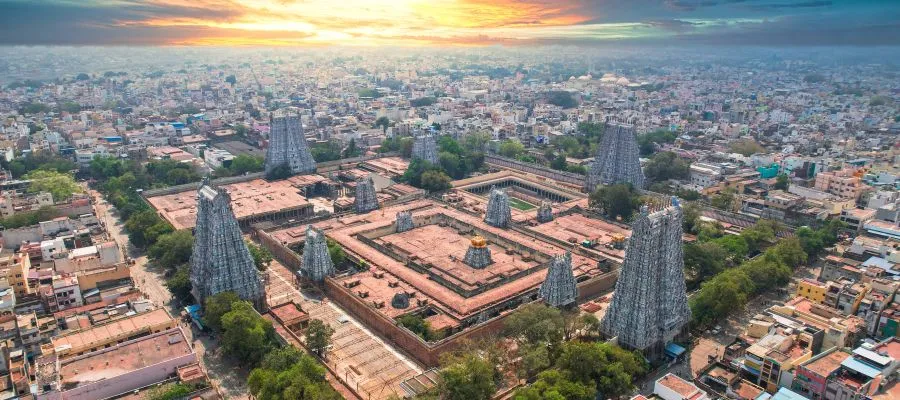
The true spirit of Madurai is found in its daily life—its colorful markets, traditional trades, flourishing food culture, and tight-knit communities. For those seeking genuine local experiences in Madurai, the city provides numerous opportunities to engage with its living heritage.

Among the most fulfilling activities in Madurai are the Madurai Heritage Walk and the Madurai Food Safari, two immersive experiences that unveil the city's essence beyond its renowned landmarks. These distinctive cultural tours in Madurai allow visitors to see the city through the perspectives of its inhabitants while uncovering the stories, traditions, and flavors that have influenced Madurai for centuries.


Madurai Heritage Walk: Experience the Morning Rhythm of the City

Timing: Approximately 5:00 AM to 8:00 AM

The Madurai Heritage Walk commences at West Masi Street in the early morning hours as the city slowly awakens. Unlike typical sightseeing experiences in Madurai, this heritage tour is crafted to highlight daily life and local customs rather than merely concentrating on monuments and historical sites.

As the city stirs to life, participants can witness various facets of local existence that have remained consistent for generations.


Observe Traditional Cow Milking

One of the most captivating sights during the walk is the opportunity to see local residents milking cows by hand in the streets and residential neighborhoods. This time-honored practice continues to be a vital part of the community's daily routine.


Explore Small Local Markets

The narrow streets are filled with neighborhood shops and family-owned businesses preparing for the day ahead. Strolling through these local markets provides an authentic insight into Madurai's community life, where age-old trading practices continue to thrive.

Visitors can observe vendors arranging fresh vegetables, flower sellers crafting fragrant jasmine garlands, and shopkeepers greeting their first customers of the day. These daily occurrences create some of the most memorable and genuine local experiences in Madurai.


Observe the Sale of Fresh Rice Batter

Another distinctive feature of the walk is witnessing homemakers and elderly residents selling freshly made rice batter used for preparing idli and dosa. These small-scale businesses embody the industrious spirit of the local community and illustrate how traditional food culture remains deeply embedded in daily life.


Enjoy Tea at a Local Tea Shop

No morning in Madurai is complete without a stop at a roadside tea shop. These modest establishments serve as social hubs where locals congregate to share stories, discuss current events, and begin their day. As you enjoy a freshly brewed cup of South Indian tea, you gain intriguing insights into why Madurai is often referred to as a city that never truly sleeps.


A Journey into Local Life

What makes the Madurai Heritage Walk unique is its emphasis on people and culture. Instead of merely observing attractions, visitors engage with the lifestyle, traditions, occupations, and social fabric that characterize the city. For travelers seeking meaningful cultural immersion, this remains one of the most enriching activities to undertake in Madurai.


Activities in the Heritage Walking Tour

In addition to experiencing local life, visitors can enhance the heritage walk with visits to some of the finest places in Madurai, creating a comprehensive cultural itinerary.


Meenakshi Amman Temple

As an architectural marvel and the spiritual core of the city, Meenakshi Amman Temple stands as one of the most significant landmarks in South India. Its soaring gopurams, detailed carvings, and lively rituals render it an essential destination for anyone visiting Madurai.


Thirumalai Nayakkar Mahal

Constructed in the 17th century, this splendid palace exemplifies a remarkable fusion of Dravidian and Islamic architectural styles. Its majestic pillars and vast courtyards provide visitors with a glimpse into the grandeur of the Nayak dynasty.


Gandhi Memorial Museum

As one of India's most important museums dedicated to Mahatma Gandhi, this institution showcases exhibits related to India's struggle for independence and Gandhi's lasting impact.


Learn More: Madurai Heritage Walks and Food Safaris


Monday, June 8, 2026

Kapaleeshwarar Temple in Chennai

Kapaleeshwarar Temple located in Chennai – An Enduring Emblem of Faith and Dravidian Architectural Style


Introduction


Located in the center of Mylapore, Chennai, the Kapaleeshwarar Temple is among the most esteemed and iconic temples in Tamil Nadu. This ancient temple, dedicated to Lord Shiva, worshipped here as Kapaleeshwarar, and Goddess Parvati, known as Karpagambal, draws thousands of devotees and tourists annually. Celebrated for its stunning Dravidian architecture, lively festivals, and rich cultural heritage, the Kapaleeshwarar Temple exemplifies the spiritual and architectural magnificence of Tamil Nadu.

Whether you are a pilgrim in search of divine blessings or a traveler uncovering Chennai's cultural gems, a visit to the Kapaleeshwarar Temple promises an unforgettable experience.

History of Kapaleeshwarar Temple


The origins of the Kapaleeshwarar Temple are thought to trace back to the 7th century during the Pallava dynasty's rule. Historical accounts indicate that the original temple was situated nearer to the coastline and was subsequently reconstructed at its current site by the Vijayanagara rulers in the 16th century.

The temple is profoundly linked to Tamil Shaivite traditions and is honored in the hymns of the Nayanmars, the esteemed saints of Tamil devotional literature. Throughout the ages, it has remained a significant center for worship and cultural activities in Chennai.

The Legend Behind the Temple


As per Hindu mythology, Goddess Parvati once desired to comprehend the sacred essence of Lord Shiva's teachings. When Shiva observed her inattentiveness, he cursed her to transform into a peacock and undertake penance on Earth.

Parvati arrived in Mylapore and worshipped a Shiva Lingam beneath a sacred Punnai tree. Satisfied with her devotion, Lord Shiva pardoned her and restored her divine form. The name "Mylapore" is derived from the Tamil term "Mayil," which translates to peacock, while "Kapaleeshwarar" denotes Lord Shiva.

This legend continues to motivate devotees who come to the temple in search of spiritual guidance and blessings.


Architectural Grandeur


The Kapaleeshwarar Temple stands as an extraordinary representation of traditional Dravidian temple architecture. The temple complex features elaborate carvings, vibrant sculptures, and soaring gateways that enchant visitors.

Rajagopuram

A particularly notable aspect of the temple is its eastern Rajagopuram, which ascends to about 120 feet. This multi-tiered tower is embellished with exquisitely crafted sculptures illustrating scenes from Hindu mythology, as well as depictions of gods, goddesses, and celestial beings.

Temple Sanctum

Within the main sanctum resides the Shiva Lingam, worshipped as Kapaleeshwarar. In close proximity, devotees are able to offer their prayers to Goddess Karpagambal, who is honored as the divine mother and giver of prosperity.

Temple Tank

Adjacent to the temple is the sacred tank, known as Kapali Theertham. This tank plays a vital role during religious ceremonies and annual festivals.

Pillared Halls

The temple comprises several mandapams, or pillared halls, which showcase intricate carvings that reflect the artistic mastery of ancient artisans.

Religious Significance


Kapaleeshwarar Temple is regarded as one of the most significant Shiva temples in Chennai. Devotees hold the belief that worshipping at this site brings peace, prosperity, and spiritual fulfillment.

The temple holds particular importance for individuals seeking blessings related to family well-being, marriage, education, and career advancement. Numerous visitors engage in daily rituals and special poojas that are conducted throughout the year.

Additionally, the temple functions as a hub for the preservation of Tamil religious traditions and devotional music.

Festivals Celebrated at Kapaleeshwarar Temple


The temple comes to life during its magnificent festivals, drawing devotees from all over India.

Panguni Peruvizha

The most renowned festival celebrated here is Panguni Peruvizha, which takes place annually in the Tamil month of Panguni (March-April). This ten-day celebration includes vibrant processions, traditional music, cultural performances, and intricate decorations.

The centerpiece of the festival is the Arupathimoovar procession, where the statues of the 63 Nayanmar saints are paraded through the streets of Mylapore.

Maha Shivaratri

Maha Shivaratri is celebrated with immense reverence, featuring special prayers, all-night worship, and spiritual discourses dedicated to Lord Shiva.

Navaratri

The Navaratri festival honors Goddess Karpagambal with beautifully adorned displays, devotional music, and cultural activities.

Things to See Around the Temple


Visitors to Kapaleeshwarar Temple can also discover several nearby attractions in Chennai.

Mylapore Heritage Streets

The adjacent streets of Mylapore provide a glimpse into Chennai's traditional culture, showcasing old houses, local markets, and a lively community atmosphere.

Marina Beach

As one of the longest urban beaches globally, Marina Beach is situated a short distance from the temple and offers an ideal location for relaxation.

Santhome Basilica

This historic church stands as another significant landmark near Mylapore, attracting visitors interested in Chennai's religious heritage.

Local Shopping

The temple vicinity is well-known for its traditional handicrafts, silk sarees, religious items, flowers, and authentic South Indian snacks.

How to Reach Kapaleeshwarar Temple


The temple is conveniently located in Mylapore, one of Chennai's oldest neighborhoods.

By Air: Chennai International Airport is approximately 18 km away.
By Train: Chennai Central and Egmore railway stations provide easy access.
By Metro: Nearby metro and local train services connect Mylapore with various parts of the city.
By Road: Buses, taxis, and auto-rickshaws are readily available throughout Chennai.

Conclusion


Kapaleeshwarar Temple is more than just a place of worship; it is a living symbol of Chennai's spiritual heritage, cultural traditions, and architectural brilliance. Its ancient legends, magnificent structures, vibrant festivals, and peaceful atmosphere make it one of the most treasured landmarks in Tamil Nadu.

Whether you are seeking divine blessings, exploring South Indian temple architecture, or discovering Chennai's rich history, Kapaleeshwarar Temple offers an enriching experience that leaves a lasting impression on every visitor. A journey to Chennai is truly incomplete without visiting this sacred and timeless temple.


Tamilnadu Tour Packages

Explore the Culture, Temples and Natural Beauty of Tamil Nadu Tamil Nadu is a location where age-old traditions, stunning temples, picturesq...